The Cera Pura Standard
Why Beeswax?
Petroleum byproducts vs. what bees make. Lab-made fragrance vs. real botanicals. Here is what you’re actually lighting in your home — and why it matters.
Petroleum byproducts vs. what bees make. Lab-made fragrance vs. real botanicals. Here is what you’re actually lighting in your home — and why it matters.
Most candles on the market burn petroleum byproducts. Paraffin — the wax that fills the shelves of most candle brands — is a petroleum-derived byproduct left over from gasoline refining. Beeswax is what bees make: nothing added, nothing to hide, nothing to mask with synthetic fragrance to cover the smell of cheap wax.
Paraffin releases volatile organic compounds and visible soot when lit. Beeswax burns cleaner, and is the only common candle wax reported to emit negative ions that bind airborne dust and allergens — the same ions produced by ocean waves and thunderstorms. That is the difference between filling your room with pollution and filling it with breath.
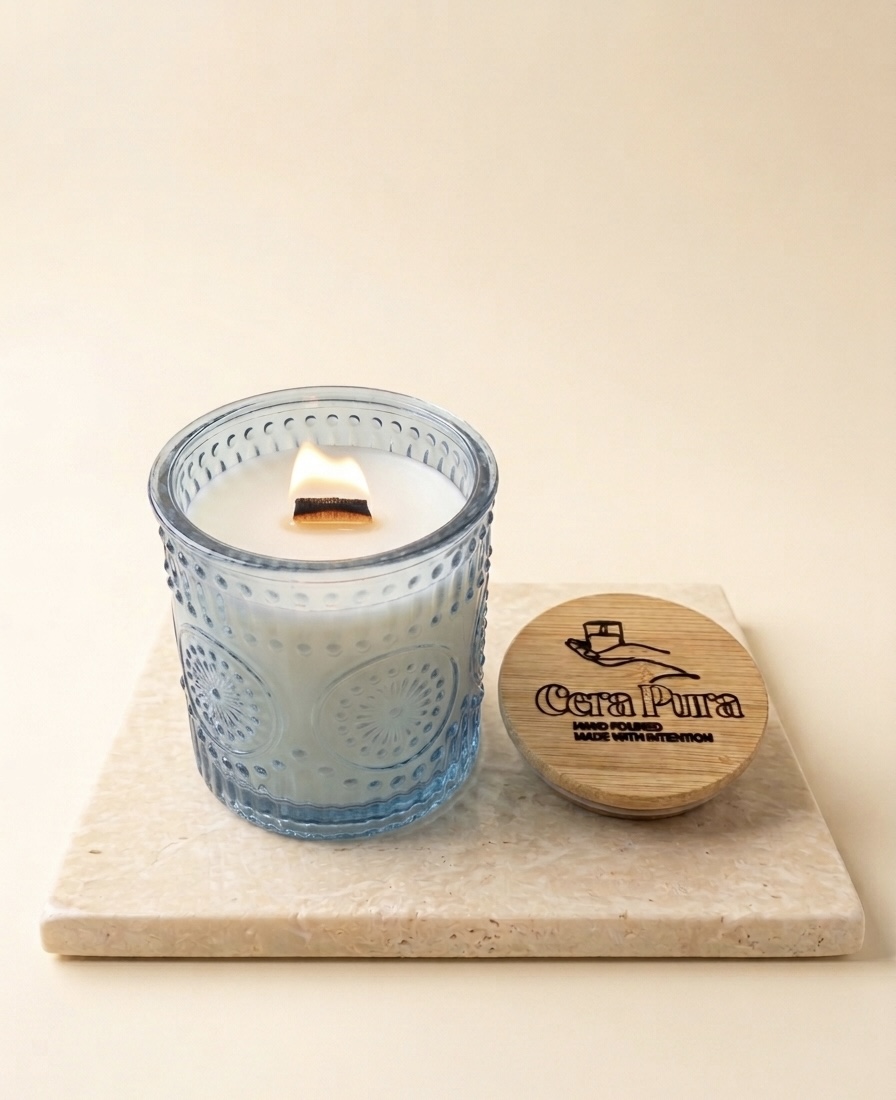
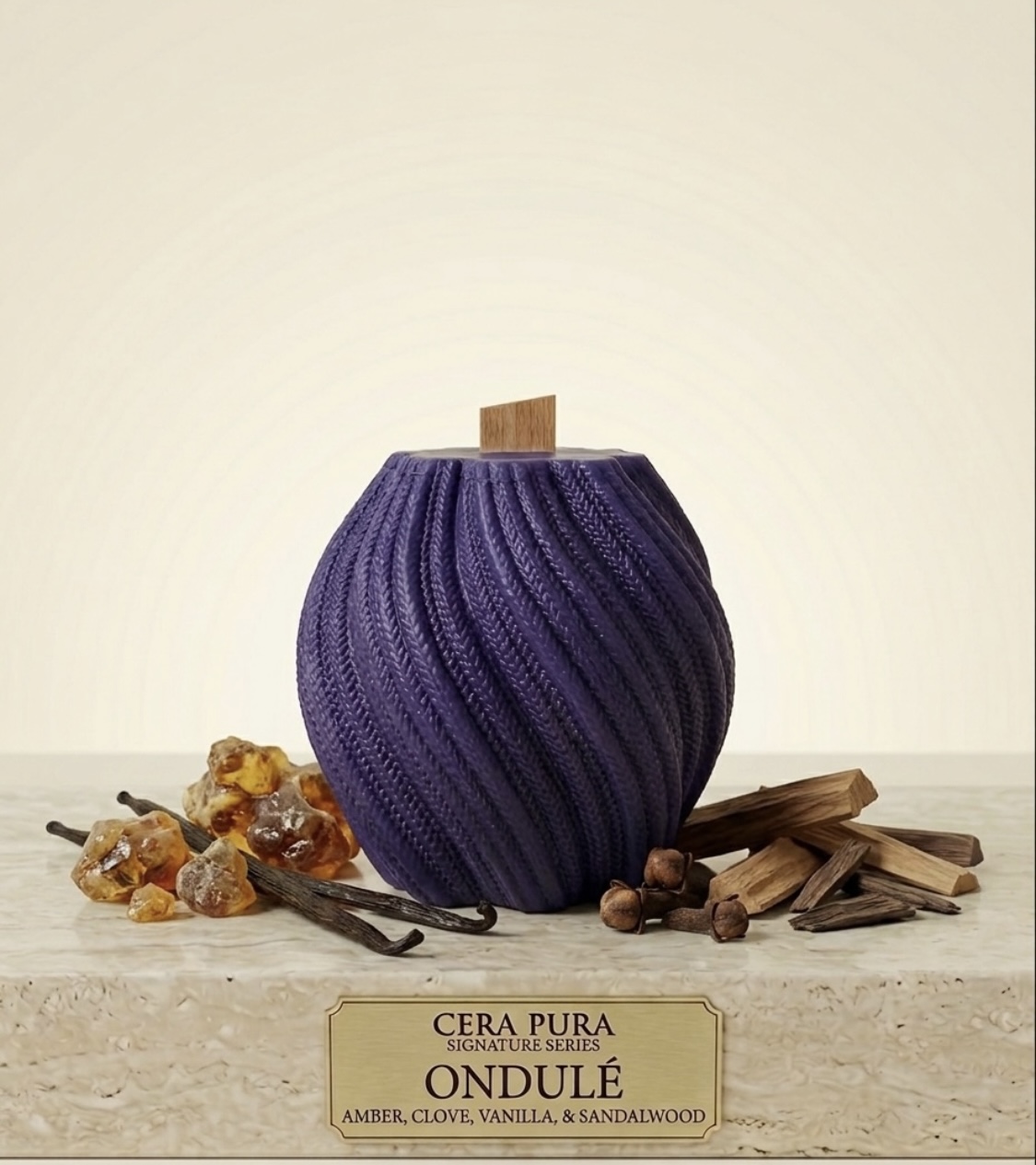
Synthetic fragrance is the hidden source of phthalates in most candles. Lab-made aromas may smell like gardenia, bergamot, or sandalwood — but none of those molecules come from a plant. We use only pure essential oils, so the scent comes from the plant, not a lab, and the air you breathe at home stays honest.
Beeswax has a higher melting point than paraffin and most soy blends, which means a pure beeswax candle burns slower and lasts longer hour-for-hour. A flame that lasts. A ritual that does not ask you to keep buying.
Hand-poured in Miami with 100% organic beeswax. Pure botanicals. Nothing to hide.
For the full science behind what you’re burning → read the Journal article
Shop the CollectionBe the first to hear about new scents, limited batches, and the stories behind each pour.
No spam. Unsubscribe anytime.